Chin hair in women: what to know
Chin hair is common, and its presence alone does not diagnose a health condition. A few coarse hairs can be frustrating, but changes in how quickly hair appears, where it grows, and what other symptoms accompany it matter more than any single strand. This guide explains when facial hair may merit a medical conversation, what laser hair removal can do, and how to compare temporary options.
By Alexandra Vivanco, founder and head esthetician at Institut V Esthétique in Montréal. DEP en esthétique, École Antoine-de-Saint-Exupéry (2018). Alexandra and the clinic are APESEQ members. Updated October 14, 2026.
Why chin hair can appear
Androgens and hirsutism
Androgens are hormones that everyone produces. Hair follicles can respond to them by growing coarser, darker hair in areas such as the chin, jaw, or upper lip. When a woman develops noticeable terminal hair in a pattern more commonly associated with male hair growth, clinicians may use the term hirsutism. The term describes a pattern; it does not identify the cause by itself.
Some facial hair is part of ordinary variation. Hormone levels and follicle sensitivity differ from person to person, and hair can become more noticeable at different stages of life. A change does not automatically mean that something is wrong. The context, speed of onset, and other symptoms help determine whether medical assessment is useful.
PCOS and other possible contributors
Polycystic ovary syndrome (PCOS) is one condition that can be associated with higher androgen activity and hirsutism. Irregular periods, acne, or changes in weight can also matter when considered with new or increasing facial hair. Some medicines and other health conditions may affect hair growth too. Only a healthcare professional can assess whether a particular pattern is related to PCOS, a medication, or another cause.
Hair removal addresses visible hair; it does not establish why the hair appeared. If you already have a diagnosis or take medication, bring those details to a medical appointment and to any treatment consultation. Do not stop or change a prescribed medicine on your own because of facial hair.
When to see a doctor about chin or upper-lip hair
Consider speaking with your family doctor if facial hair appears rapidly, becomes noticeably heavier over a short period, or begins growing in new areas such as the chest or back. Arrange a medical discussion as well when the change occurs alongside irregular periods, persistent acne, or other changes that concern you. These signs do not prove a specific diagnosis, but they can help your doctor decide whether an assessment is appropriate.
For a gradual change limited to a few chin hairs, you can still bring it up at a routine appointment if you are worried. Describe when you first noticed it, whether the pattern is changing, and any related symptoms or medication changes. Your doctor can decide what questions, examination, or testing make sense. A cosmetic appointment cannot replace that assessment or treat a hormonal condition.
If it helps, write down when you first noticed the change and how it has progressed. A clear timeline can make it easier to explain your concern at an appointment. You can also note any related symptoms or recent medication changes, then let your doctor decide which details are medically relevant.
What laser hair removal can and cannot do
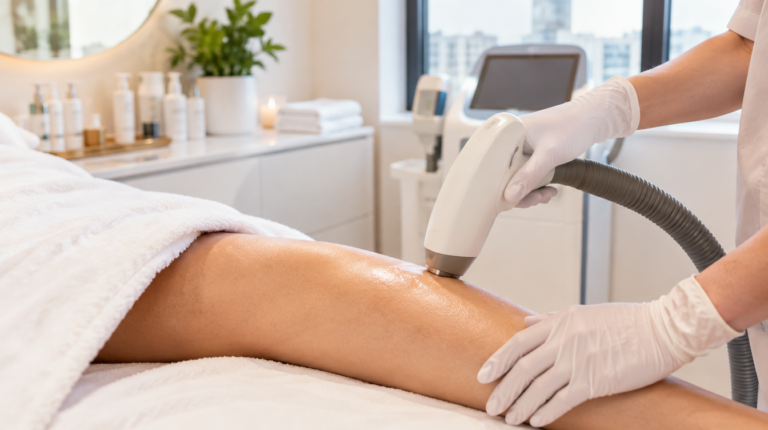
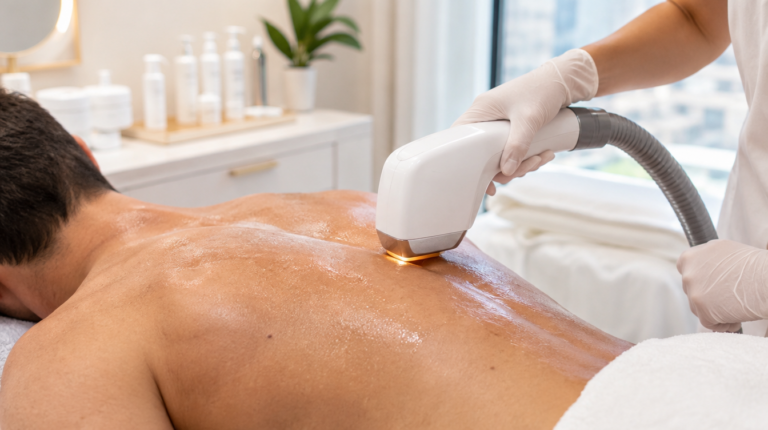
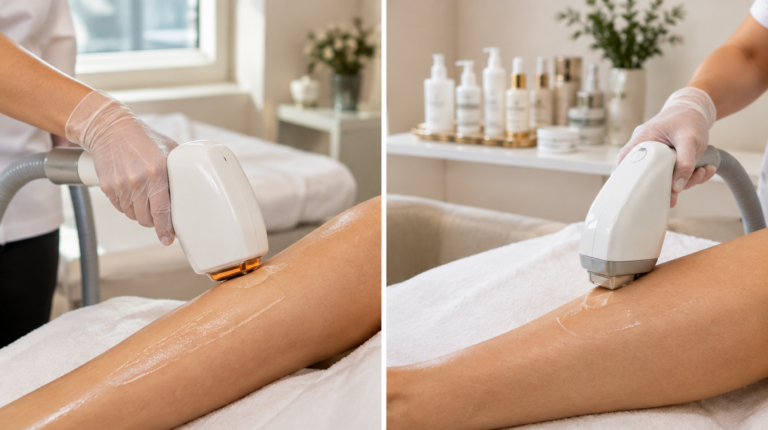
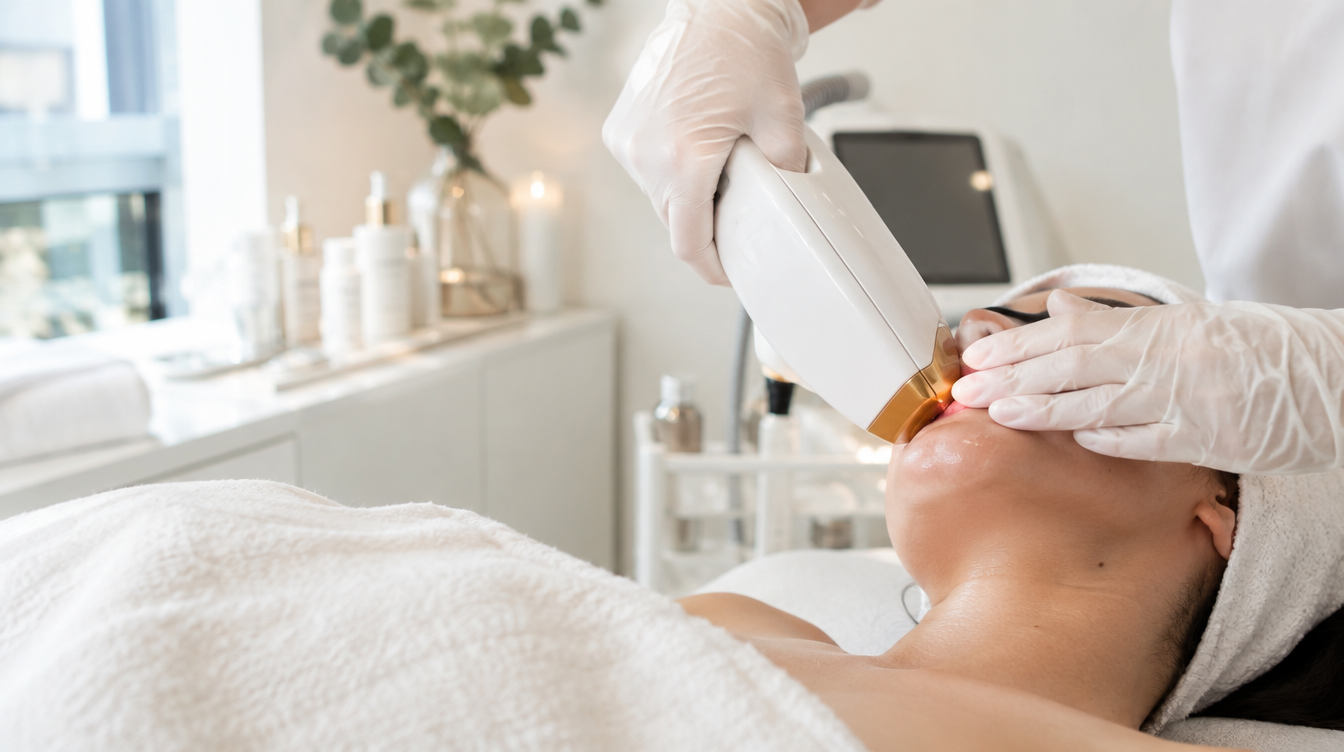
Laser hair removal directs light energy toward pigment in the hair and is used to reduce unwanted hair growth. At Institut V Esthétique, treatments use the Clarity II by Cynosure Lutronic, which combines Alexandrite 755 nm and Nd:YAG 1064 nm wavelengths and is suitable for all skin types. The device is licensed by Health Canada and FDA-cleared (510(k)). These device facts describe the equipment; an individual assessment is still needed to plan treatment. At Institut V, treatments are painless, and the clinic guarantees optimal results. For clinic service details, see laser hair removal in Montreal.
People often search for “permanent hair removal.” In practice, laser treatment aims for permanent hair reduction, not a promise that every hair will be gone forever. It treats visible follicles during a course of sessions, but it does not regulate hormones or prevent all future hair growth. Hair with little pigment may respond less well to light-based treatment, so hair colour and skin characteristics should be discussed before starting.
Hormonal causes and laser results
If an active hormonal factor continues to influence hair growth, new visible hairs may appear over time, including hairs that were not present or active during earlier sessions. That does not mean the treatment changed the hormonal cause. A doctor can address medical concerns; a laser practitioner can discuss reduction of the hair that can be treated. Some people may choose additional treatment later, depending on their experience and goals, but there is no universal maintenance schedule.
Laser can therefore be one part of a broader plan for someone with PCOS or another ongoing hormonal concern. It can reduce the visible hair while the medical question is managed separately. Discuss expectations with your doctor and practitioner, especially if the pattern is changing. Neither a cosmetic treatment nor a source article can predict an individual medical outcome.
Sessions and realistic expectations
Institut V’s usual planning range is 6 to 8 sessions, spaced 4 to 6 weeks apart. The interval and number of visits reflect the clinic’s treatment plan, while the response of an individual area can vary. Your practitioner can explain how the plan applies to the chin or upper lip and what to do if the hair pattern changes during the course.
Results should be discussed as reduction rather than complete removal. If new hair appears later, a follow-up discussion can determine whether another session is appropriate. A touch-up is not automatically required every year, and no fixed number of future visits is promised. The usual session range is a planning guide, not a promise that every person will follow an identical course. Ask how progress will be reviewed and whether the plan still matches your goals. If you suspect an untreated hormonal issue, speak with a doctor rather than relying on more cosmetic sessions alone.
Is laser hair removal right for you?
When laser may be an option
A consultation may help if your concern is unwanted chin or upper-lip hair and you want to discuss lasting reduction. The Clarity II is suitable for all skin types, and the practitioner can review your skin and hair characteristics before recommending settings or a plan. Laser uses pigment in the hair as a target, so hairs with little or no pigment may be less responsive. If you are unsure whether your hair is suitable, ask before booking a treatment course. When preparing for the appointment, think about what result matters most to you, which areas concern you, and whether your goal is a reduction in visible hair. These details help keep the conversation focused on your priorities.
Laser may be considered alongside medical care when a hormonal condition is present, provided that the limits of cosmetic treatment are clear. A diagnosis of PCOS does not, by itself, answer whether laser is appropriate for a particular person. Share relevant health history and medication information at the consultation, and ask how the clinic would adjust the plan to your circumstances.
When to pause and get medical advice
If hair growth has changed rapidly or comes with symptoms that concern you, arrange medical advice before treating it as only a cosmetic issue. You can still ask the clinic questions, but a laser consultation does not diagnose hirsutism, PCOS, or another hormonal condition. For hair with little pigment, ask about realistic alternatives because laser may not target it effectively.
What happens at a free consultation?
A free consultation with Alexandra is a chance to describe your goals, review the area and relevant skin and hair characteristics, and ask about a treatment plan. You can discuss the Clarity II, the usual session spacing, expected permanent reduction, and the limits of laser when a hormonal cause remains active. Bring questions about medical history or medication so the practitioner can tell you what should be addressed with your doctor.
For laser hair removal, the listed price is face: $100 per session. The clinic also lists waxing visage: $15. This article does not assign a separate chin price. You can review current promotions or use the clinic’s online booking page.
Temporary options for facial hair
Shaving, trimming, threading, and waxing remove or shorten visible hair without treating a hormonal cause. Shaving does not change the follicle beneath the skin; the blunt end of a growing hair can simply feel different from an uncut strand. Threading or waxing may suit some people, but skin can react differently to each method. Follow product directions for any cream, test cautiously on a small area first, and stop using it if irritation occurs.
Waxing and a laser treatment plan
If you are having laser sessions, ask your practitioner before waxing or plucking the area between visits. The clinic can explain which hair-removal methods fit its plan for your treatment. Institut V offers facial waxing, including the face price listed above, as a separate service. Ask the practitioner to explain how temporary hair removal fits with your individual appointments before choosing a method.
Facial hair removal for teenagers
For a teenager, a suitable method depends on the young person’s skin, comfort, preferences, and family context. Trimming or shaving can be discussed as simple temporary options; a depilatory product should only be used according to its label and away from irritated skin. Threading and waxing are other temporary choices, but either can irritate some skin. A parent or guardian can help review product instructions and arrange professional advice when needed.
Laser candidacy for a young person should be discussed directly with the clinic rather than assumed from age alone. If facial hair appears suddenly or alongside other health changes, start with a doctor. If the concern is limited to unwanted hair, ask the clinic what its policy is and whether a consultation is appropriate. A cosmetic service should not be presented as a treatment for adolescent hormonal changes.
Frequently asked questions
Can chin hair go away on its own?
It depends on the cause and the individual hair pattern. A few hairs may remain stable, while a changing pattern may need medical discussion. If the growth is rapid or accompanied by other symptoms, consult a doctor rather than waiting for hair removal to resolve the underlying question.
Does shaving or plucking make chin hair thicker?
Shaving cuts hair at the skin surface and does not change the follicle. The cut edge may feel blunt as it grows. Plucking removes a strand temporarily, but it does not treat a hormonal cause. Ask your laser practitioner before plucking during a treatment plan.
How many laser sessions are usual?
Institut V’s usual plan is 6 to 8 sessions, 4 to 6 weeks apart. Your practitioner can explain how that schedule applies to your area and discuss the response as treatment progresses.
Is laser permanent for chin hair?
Laser is used for permanent hair reduction. New visible growth can still occur, especially when hormonal activity continues, so the phrase does not mean every hair is permanently gone.
Can PCOS, stress, or another condition cause facial hair?
PCOS can be associated with hirsutism. Stress, medicines, and other health changes are not enough to diagnose the cause of a particular person’s facial hair. If the change is new or worrying, describe it to a healthcare professional and mention any medicines or other symptoms.
Should I stop a medication if hair growth changes?
No. Do not stop or change a prescription without speaking with the prescriber. Ask whether the timing of the change could be relevant and what options are safe for you.
Could thyroid or diet changes explain chin hair?
Hair growth can have several possible contributors, and chin hair alone cannot identify a thyroid condition or a dietary cause. Share related symptoms and concerns with your doctor, who can decide whether further assessment is appropriate. Avoid restrictive diet changes or treatment decisions based only on facial hair.
Sources and next step
For more information on hirsutism, see the Canadian Dermatology Association and DermNet. These references offer general information and do not replace an individual medical assessment.
Chin hair is common, and you have options for discussing both the cause and its visible effects. For questions, call (438) 900-0919, or Book your free consultation with Alexandra.