Key takeaways
By Alexandra Vivanco, founder and head esthetician. DEP en esthétique, École Antoine-de-Saint-Exupéry, 2018; APESEQ member. Updated October 14, 2026.
Laser hair removal can reduce unwanted hair, but it can also cause skin reactions. Skin and hair characteristics are part of deciding whether treatment fits your goals.
Is laser hair removal safe?
Laser hair removal can reduce unwanted hair, but it is still a cosmetic procedure that uses concentrated light and can affect the surrounding skin. The most useful way to weigh the downsides is to separate expected short-term reactions from less common complications, understand whether your skin and hair are suitable, and follow the treatment plan given to you. Health Canada and the American Academy of Dermatology (AAD) both describe potential skin reactions and the value of understanding risks before treatment.
The treatment does not produce the same response for everyone. Skin tone, recent tanning, hair colour, the area treated and the device settings all matter. A consultation gives you a chance to discuss these factors and ask what the selected laser wavelength is intended to do. No article can assess your individual skin or replace a conversation with a qualified provider.
What side effects can laser hair removal cause?
The Health Canada page on cosmetic laser treatments and the AAD’s laser hair removal guidance discuss temporary irritation as well as possible burns, pigment changes, blisters, infection or scarring. Knowing the difference can help you decide what to ask before treatment and when to seek advice afterward.
Redness
Redness around treated follicles is a possible reaction after laser hair removal. The skin can look flushed or feel warm or sensitive. It is usually temporary, although recovery varies. Ask what is expected for your skin and treatment area. A visible change by itself does not tell you whether the treatment has achieved its hair-reduction goal.
Swelling
Mild swelling can accompany redness after treatment. The treated area may feel warm or look slightly raised. If the reaction is mild, avoid rubbing or scratching the skin and choose loose clothing where fabric touches it. A cool compress may help with comfort. If swelling becomes severe, changes quickly or concerns you, contact the clinic or a health professional instead of relying on a general online timeline.
Blisters
Blisters and burns are less common concerns, but they can require care. Do not pop or peel a blister. Protect the area and contact a health professional if you have open skin, increasing pain, signs of infection or a reaction that worsens. Use medication or ointment only if a clinician recommends it.
Scarring
Scarring is a possible complication following skin injury. Ask who will perform the procedure, which device will be used, how your skin and hair will be assessed, and what to do if your skin reacts unexpectedly. If you already have a skin concern in the area, raise it before treatment and ask whether you need advice from a health professional first.
Pigment changes
Laser treatment can cause the skin in an area to become lighter or darker. These changes are called hypopigmentation and hyperpigmentation. A change in skin pigment may be temporary or may persist, so do not assume that a noticeable change will disappear on a fixed schedule. Contact a health professional if you see a change that concerns you.
Skin with more melanin, including naturally deeper skin tones and recently tanned skin, needs careful consideration because the laser interacts with pigment. Tell the provider about recent sun exposure and changes in your skin before treatment, and ask whether the timing is suitable. Natural skin tone and recent tanning are different considerations: one describes baseline pigment, while the other is a more recent change. Explain both rather than assuming that one cancels out the other. The aim is to discuss your suitability and timing, not to rank skin tones or promise that a wavelength removes every risk.
For more information about this concern, read Institut V’s guide to pigment changes after laser hair removal.
Skin type may also be discussed with the Fitzpatrick phototype scale, which describes skin responses to sun exposure. It is a way to organize that conversation, not a guarantee of how your skin will respond to a procedure. Mention your usual response to sun and any recent tanning so the provider has context for discussing the treatment.
Sun exposure and aftercare
Avoid direct sun exposure for two weeks before and two weeks after each Institut V laser hair removal session. Include upcoming outdoor activities or travel in the conversation so the appointment can be planned with this rule in mind.
After treatment, follow the instructions provided for your skin and the area treated. If the skin is warm or mildly irritated, avoid friction and use a cool compress for comfort. Do not pick at, scratch or deliberately exfoliate irritated skin. If you are unsure whether a product or activity is appropriate, ask the clinic before using it on the treated area. Keep the treated area clean and be gentle with it while it is irritated. Avoid experimenting with new products on skin that is reacting, and follow any specific directions the clinic gives you for the area.
Shaving and hair removal methods are different: shaving trims hair at the surface, while waxing, plucking and threading remove hair from the follicle area. The AAD recommends discussing preparation and between-session care with the provider. If you are considering waxing or another method during a laser course, ask whether it fits your treatment plan rather than assuming that all hair removal methods are interchangeable.
Keep the clinic’s written aftercare instructions available. Contact the clinic or a health professional if a reaction is stronger than expected, worsens or raises concern; do not try to diagnose a burn, blister or pigment change from a photograph alone.
How many laser hair removal sessions will you need?
Institut V’s usual plan is 6 to 8 sessions spaced 4 to 6 weeks apart. Laser targets pigmented hair, and hairs are not all at the same point in their growth cycle at once, so treatment is repeated over time rather than relying on one visit.
The session count is a planning estimate, not a promise that each person will have the same result. The area treated, hair characteristics and individual response can affect the plan. Ask how progress will be reviewed for the area you have in mind. Because laser targets pigmented hair, the timing of appointments matters to the plan. Treating a single area once cannot address hairs that are at different stages of growth. The clinic can explain how the usual schedule applies to your area and what it will consider when reviewing progress.
Session spacing and sun guidance are separate parts of planning. Ask the clinic if a delayed visit or a change in your schedule affects your treatment plan. Keep the dates and treated areas together so you can ask specific questions at the next appointment. If your plan covers more than one area, ask whether the same schedule applies to each one rather than assuming that every area will follow an identical timeline.
What does “permanent hair removal” mean?
“Permanent hair removal” is a common search phrase, but the accurate service goal is permanent hair reduction. This wording does not promise that every follicle will stop producing hair forever. Institut V guarantees optimal results. Ask during your consultation what permanent hair reduction means for your goal.
Reduction describes a decrease in unwanted hair, while complete removal would imply that no hair can return. Keeping those ideas separate makes it easier to talk about your goal without expecting the same result from every person or treatment area. Ask the clinic to explain what it means by optimal results for the course being discussed.
How much does laser hair removal cost?
Institut V charges $55 per session for underarms and $245 per session for full legs. A consultation costs $0. These examples show why price depends on the treatment area; they do not represent a package total or the price of every area. Ask about the exact area you want treated during your free consultation.
When reviewing a quote, check which area it covers and whether it is a per-session price. The listed examples are not interchangeable: a small area and a larger one require different price points. Ask the clinic to clarify any area name or boundary you are unsure about before you decide.
Confirm whether any package or promotion applies to your plan instead of assuming that a multi-area or maintenance price is included.
Waxing and laser hair removal work differently. Compare the option that fits your area, schedule and budget instead of relying on a general yearly estimate.
Does laser hair removal work on light or fine hair?
Laser hair removal targets pigment in the hair. Darker, coarser hair generally provides more pigment for the laser to target, while blonde, white, grey, red or very fine hair may respond less well. That does not let an article predict the result for a particular person. Hair colour and texture should be part of the discussion before a plan is recommended.
Skin colour and hair colour are separate parts of the suitability discussion. A device may have wavelengths intended for a range of skin types, while the hair still needs pigment for laser energy to target. Ask about both factors instead of assuming that suitability for a skin type guarantees a strong response from every hair colour.
If your hair has little visible pigment, ask whether laser is suitable for the area you want treated. A consultation can address how colour and texture affect the proposed plan.
If laser may not suit your hair, ask about other options, including electrolysis. Avoid assuming one method is the only permanent solution for every person.
How Institut V approaches laser hair removal
Institut V Esthétique is an esthetics clinic in Montréal. Founder and head esthetician Alexandra Vivanco holds a DEP en esthétique from École Antoine-de-Saint-Exupéry, earned in 2018. The clinic and Alexandra are APESEQ members.
When considering a clinic, ask who will assess your profile and explain the treatment plan. You can ask what device will be used, how it fits the areas being treated, and how to get help if you have a question after an appointment. A direct explanation helps you understand the process before deciding.
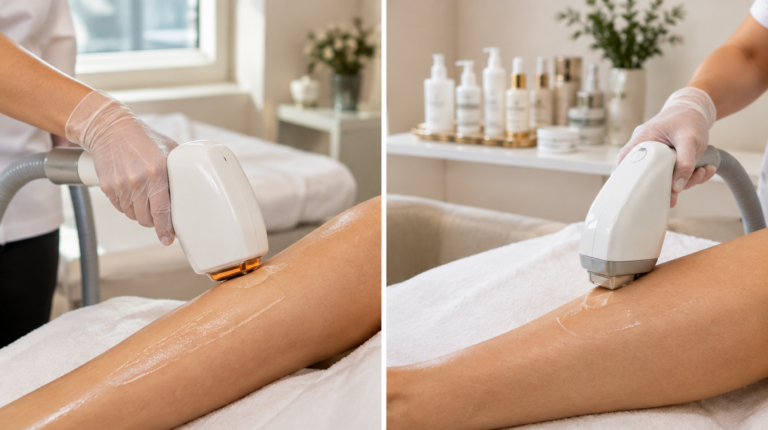
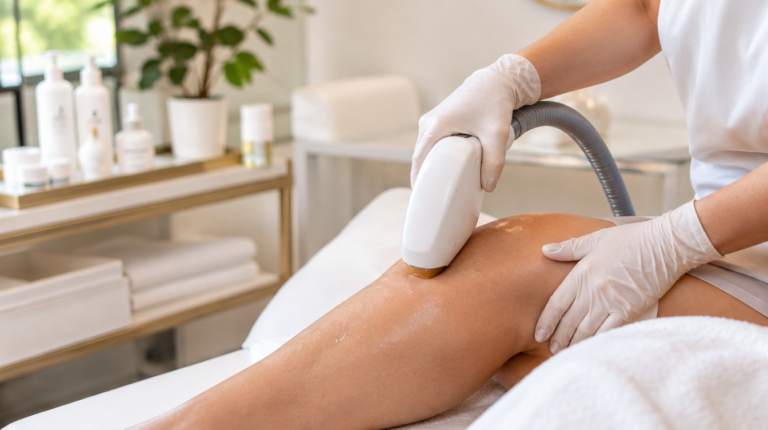
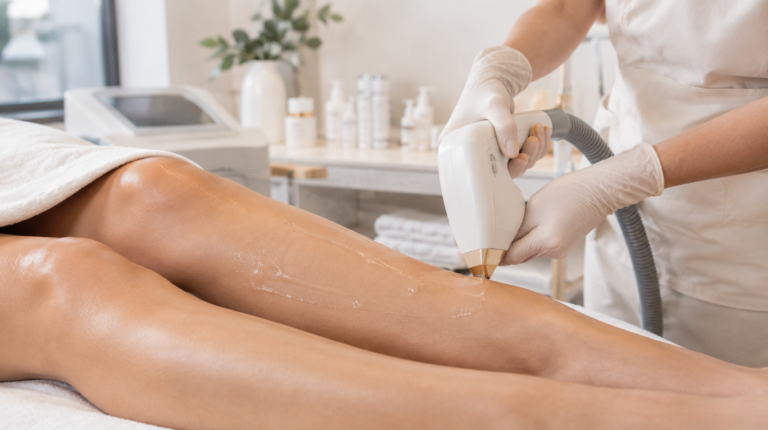
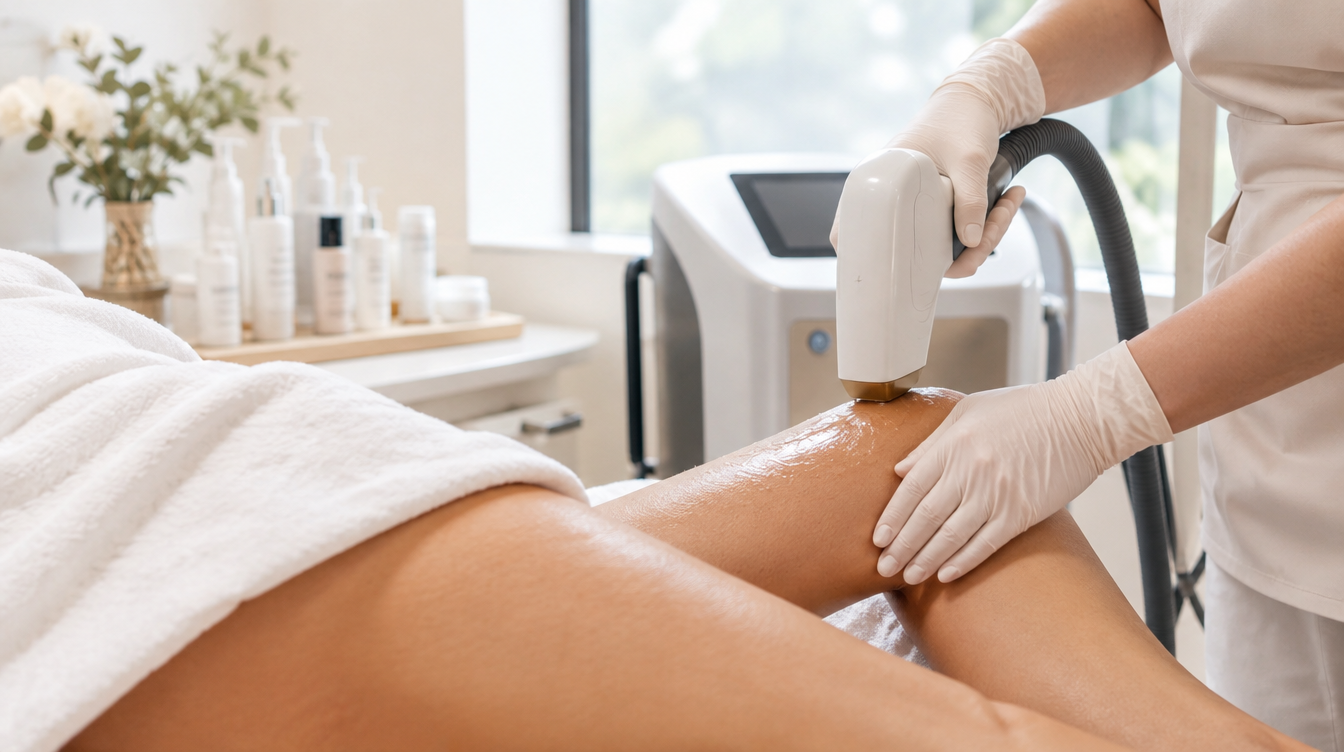
The clinic uses the Clarity II laser hair removal system. It combines Alexandrite 755 nm and Nd:YAG 1064 nm wavelengths, is suitable for all skin types, is licensed by Health Canada, and is FDA-cleared under 510(k). Its Health Canada medical device licence is MDALL 106607, Class III; its FDA clearance is K183566.
Before an appointment, ask how your skin and hair will be considered when selecting a wavelength and what information the clinic needs from you. You can also ask how eye protection is handled and what you should do during treatment if you have a question or notice an unexpected sensation. The clinic can explain its process for the device and the area being treated.
Is laser hair removal right for you?
Suitability depends on your hair, skin and goals. Consider whether the hair has pigment for the laser to target and whether the proposed plan fits what you want from treatment.
- You may want to ask about laser treatment if your goal is longer-term hair reduction and you can plan for several appointments.
- If your hair is very light, grey, red or fine, ask how its colour and texture may affect treatment.
Being a possible candidate does not mean you must proceed. Use the consultation to ask about alternatives, price, preparation, aftercare and the clinic’s expectations before deciding.
Raise relevant health or skin questions directly. Ask whether a condition, medication or recent change in your skin matters for your appointment, and whether you should speak with a health professional first.
What to ask at your free consultation
The free consultation with Alexandra Vivanco gives you time to discuss the treatment area, skin and hair characteristics, the session plan, sun guidance and the price for your area. Leave with a clear explanation of the proposal and time to consider it.
Use the meeting to describe what you hope will change and what questions would help you make a decision. If you are comparing laser with another method, ask about the difference for your hair and skin. If you are not ready to book treatment, the consultation can still help you understand the options.
Helpful questions include: Which wavelength is being considered for my skin and hair? What preparation and aftercare apply? Which reactions should prompt me to contact the clinic or a health professional? How will the price be calculated for the area I am considering?
Ask who to contact after a visit, which details to share about a skin reaction, and how to get guidance if you are unsure whether a change needs attention. Knowing the route for follow-up can help you make an informed decision.
You can also ask whether your hair colour makes laser suitable, whether an upcoming trip affects timing, and what permanent hair reduction means for your goal.
If you are ready to arrange a visit, use the clinic’s online reservation page. If you want to start by learning more about the service, read about laser hair removal in Montreal or book a free consultation.
Frequently asked questions
Can laser hair removal cause scarring?
Scarring is a possible complication. Health Canada and the AAD describe skin injury among laser treatment risks. Ask about the provider, device and skin assessment; contact a health professional if a reaction concerns you.
Does laser hair removal hurt more in certain areas?
Institut V’s laser hair removal treatments are painless. Ask Alexandra about a particular treatment area during your consultation.
Can you shave between laser hair removal sessions?
Ask the clinic which hair-removal methods fit your plan. Shaving trims visible hair; waxing, plucking and threading remove hair from the follicle area. Follow the provider’s preparation and between-session guidance.
Does laser hair removal work on all hair colours?
Laser targets pigment, so very light, grey, red or fine hair may respond less well. Ask the clinic to assess the hair in the area you want treated.
Can hormonal changes affect hair growth later?
Hair growth can change over time, and a general article cannot predict what will happen for you. If hormonal changes or regrowth are part of your concern, mention them during the consultation and ask how the clinic’s goal of permanent hair reduction relates to that concern. Do not assume that a fixed number of sessions prevents all future hair growth.
Sources
Conclusion